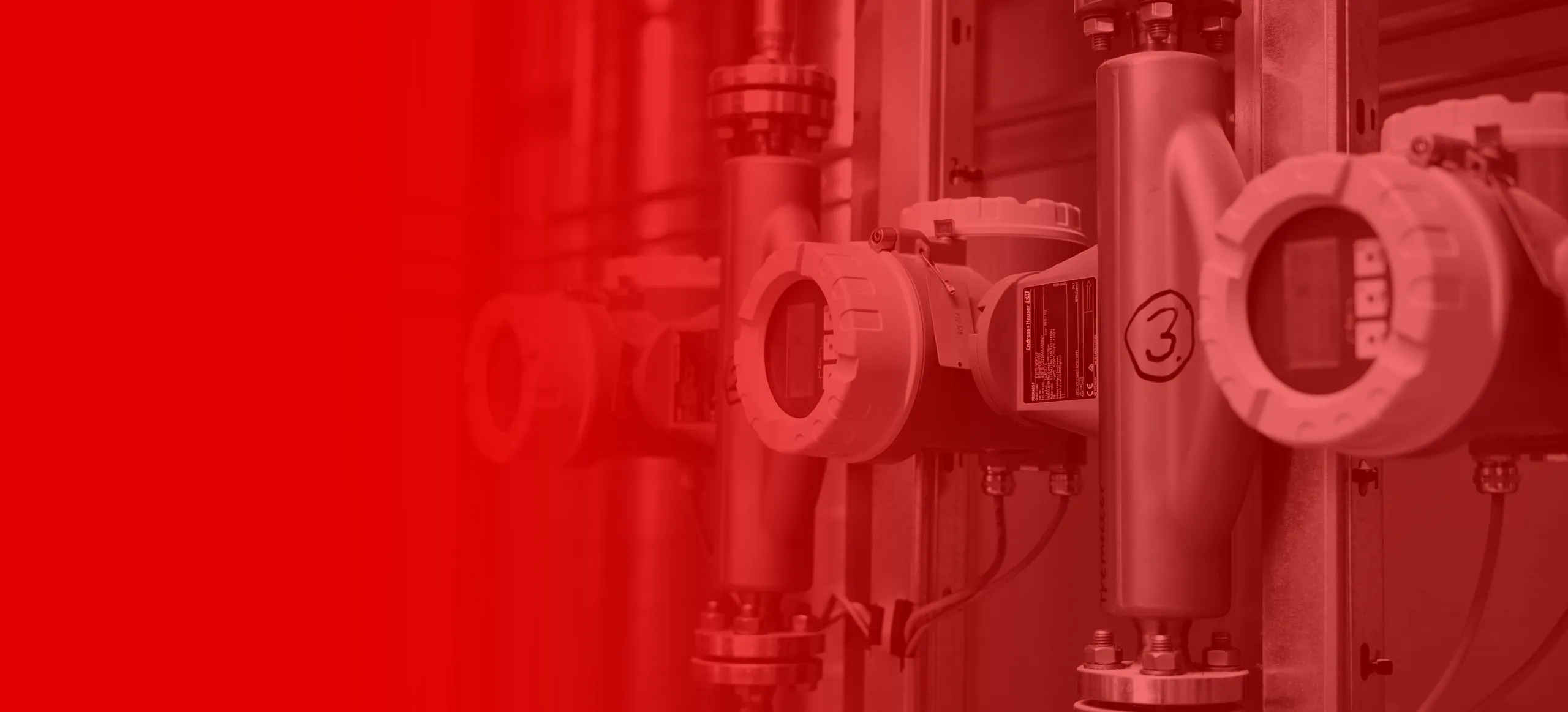
Calibration compares the meter with a reference standard that is traceable to national standards, at flow rates and conditions close to the real service. It is usually done at an accredited flow laboratory or against a prover on site. Orifice meters built to ISO 5167 are not normally flow-calibrated: they are checked by inspecting the plate and calibrating the transmitters.
Between calibrations, verification checks that the meter and its secondary instruments (differential pressure, pressure, temperature, density or gas composition) still read correctly. Ultrasonic and Coriolis meters provide diagnostics, such as speed of sound or sensor health, that help spot changes early, but diagnostics supplement traceable calibration rather than replace it.